

Welcome to Myodishajourney! If you love forests, waterfalls, wildlife and beautiful natural landscapes, Similipal in Odisha is a destination worth exploring. Located in the Mayurbhanj district, Similipal is famous for its rich forests, Royal Bengal Tigers, rare black-striped tigers, elephants, waterfalls, rivers and beautiful mountain scenery.
Whether you are planning a family trip, a wildlife photography tour, a nature holiday or your first visit to Odisha, this guide will help you understand Similipal before you travel.
In this article, we cover its location and history, the reason behind its name, the best time to visit, entry gates, entry and exit timings, ticket information, children’s guidelines, international visitor information, road routes from Bhubaneswar, famous wildlife and important safety rules.
Important travel note: Forest entry rules, ticket prices, gate timings, safari availability and road conditions can change. Always check the official Similipal Tiger Reserve and Odisha Eco-Tourism websites before travelling.
1. About Similipal National Park, Odisha
Similipal is one of the most important wildlife and nature destinations in Odisha. It is situated in the Mayurbhanj district in northern Odisha and is known for its large forest landscape, hills, valleys, rivers, waterfalls and diverse wildlife.
The protected landscape is officially known as Similipal Tiger Reserve. It is also widely known to tourists as Similipal National Park.
The reserve covers approximately 2,750 square kilometres, including its core and buffer areas. It is one of India’s important tiger conservation landscapes and was included among the first nine tiger reserves selected under Project Tiger in 1973.
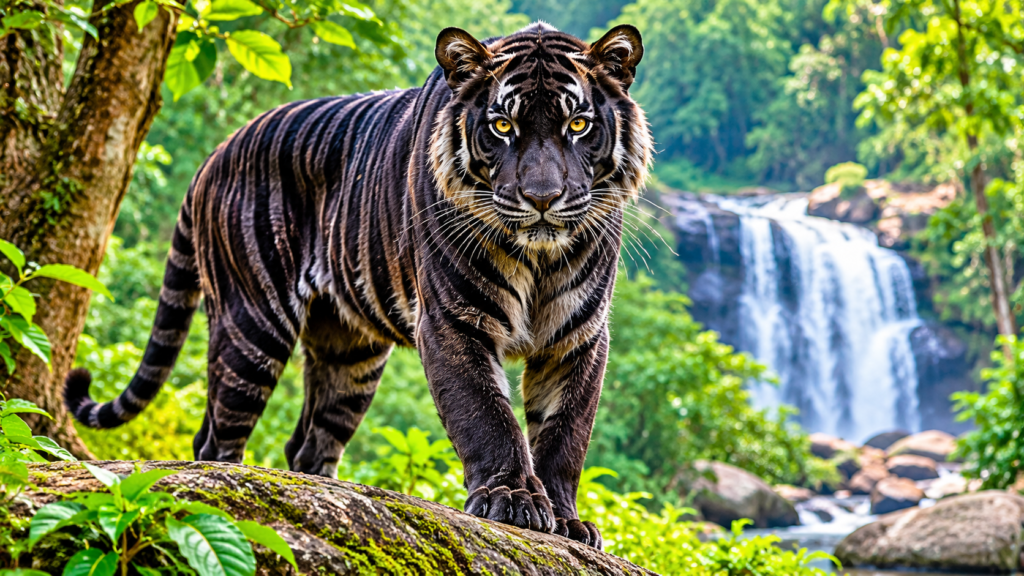
The forest is especially famous for its unique pseudo-melanistic tigers, which have unusually broad, dark stripes that can make them appear almost black.
Similipal is not only a place to see wildlife. It is also a wonderful destination for people who enjoy nature, photography, waterfalls, forest landscapes and peaceful surroundings.
2. Where Is Similipal National Park Located?
Similipal Tiger Reserve is located in the Mayurbhanj district of Odisha, India.
Location details:
- State: Odisha
- District: Mayurbhanj
- Nearest important towns: Baripada and Jashipur
- Main tourism entry sides: Pithabata and Kalikaprasad
- Nearest major airport: Biju Patnaik International Airport, Bhubaneswar
- Nearest railway connections: Baripada, Balasore and Jashipur
The reserve is surrounded by forested hills, valleys, streams and villages. Baripada and Jashipur are useful towns for planning your journey towards the forest.
3. Why Is It Called Similipal?
The name Similipal is associated with the Simul tree, also known as the silk-cotton tree.
The name reflects the natural vegetation and forest heritage of this region. Simul trees are known for their large trunks and beautiful red flowers.
The name is therefore connected with the natural environment of the forest rather than a modern tourist attraction.
4. History of Similipal Tiger Reserve
Similipal has a long history of forest protection and wildlife conservation.
Some important milestones include:
- 1956: Similipal was established as a hunting ground for the former rulers of Mayurbhanj. It later developed into an important protected forest landscape.
- 1973: Similipal became one of India’s first nine tiger reserves under Project Tiger.
- 1979: The Government of Odisha established Similipal Wildlife Sanctuary.
- 1980: A part of the sanctuary was recommended for national park status.
- 2009: Similipal was included in UNESCO’s World Network of Biosphere Reserves.
These developments made Similipal an important centre for forest conservation, tiger protection and biodiversity.
5. Why Is Similipal National Park Famous?
Similipal is famous for several natural attractions and wildlife experiences.
Famous black-striped tigers
Similipal is internationally known for its pseudo-melanistic Royal Bengal Tigers. Their unusual dark and broad stripes make them especially interesting to wildlife researchers and photographers.
Beautiful waterfalls
The forest has spectacular waterfalls, including:
- Barehipani Waterfall
- Joranda Waterfall
- Sitakund Waterfall
Barehipani and Joranda are among the most famous natural attractions of Similipal.
Dense green forests
The reserve has extensive Sal forests, bamboo vegetation, grasslands, hills and valleys.
Rich wildlife
Visitors may learn about elephants, tigers, leopards, deer, gaur, reptiles and many species of birds.
Rivers and mountain landscapes
Several rivers and streams flow through the landscape, making Similipal an important natural ecosystem.
UNESCO Biosphere Reserve
Its international biosphere reserve recognition highlights the importance of protecting its plants, animals, forests and local communities.
6. Famous Animals Found in Similipal
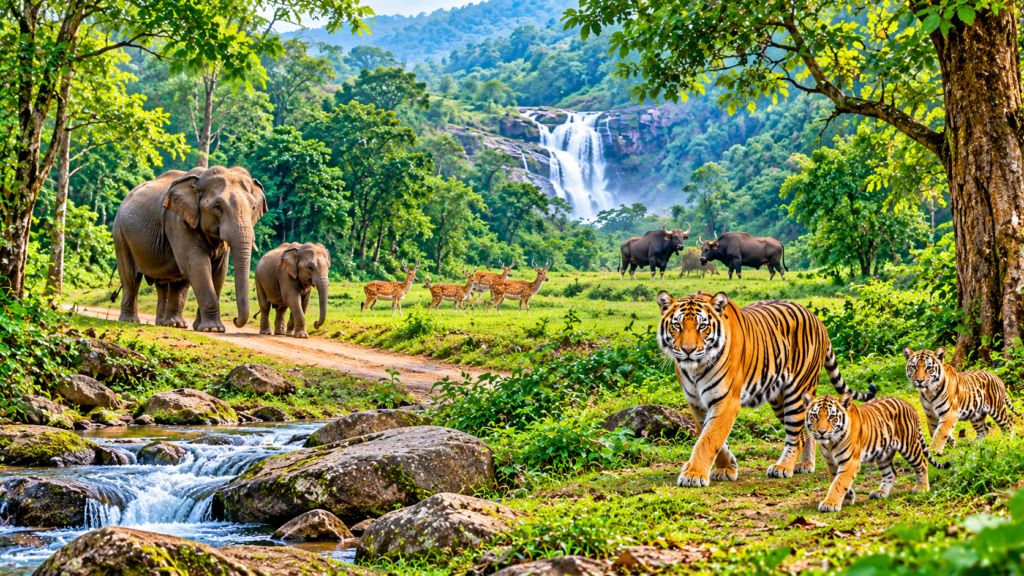
Similipal is home to many types of wildlife. Some of its important animals include:
- Royal Bengal Tiger
- Pseudo-melanistic Tiger (black-striped tiger)
- Asian Elephant
- Leopard
- Indian Gaur
- Sambar Deer
- Spotted Deer
- Barking Deer
- Wild Boar
- Indian Giant Squirrel
- Pangolin
- Crocodiles in suitable aquatic habitats
The reserve also supports many birds, reptiles, amphibians and smaller mammals.
Important: Wildlife lives freely in its natural habitat. Visitors should never expect to see a tiger, elephant or any particular animal during every visit. Sightings depend on weather, season, animal movement and natural conditions.
7. Best Time to Visit Similipal National Park
The best time to plan a visit is generally during the tourist season when the forest department allows visitors to enter.
November to February: These months are usually comfortable for forest visits. The weather is cooler, and the green surroundings are beautiful.
March to April: The weather becomes warmer. Wildlife activity around water sources may change, but visitors should be prepared for higher temperatures.
May to June: These months can be hot. Check the current tourist schedule and weather conditions before travelling.
Monsoon season: Similipal is generally closed to regular tourism during the monsoon because of heavy rainfall, forest conditions and road safety. The reopening date is announced by the authorities each season.
For most families and first-time visitors, November to February is a good period to consider.
8. Similipal National Park Opening Date and Tourist Season
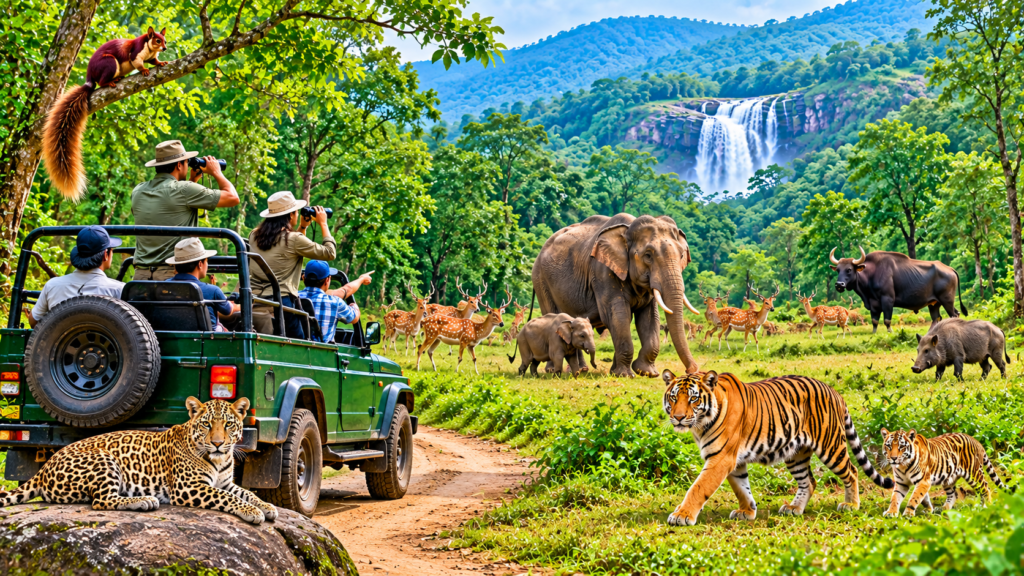
Similipal does not remain open to regular tourists throughout the year.
The forest department announces the opening date and tourist season each year after considering weather, road conditions and forest management requirements.
For the 2026–27 tourist season, the official announcement states that Similipal reopened on 1 November 2026.
Before travelling, check the official website for any changes, closures or booking restrictions.
9. Similipal Entry and Exit Timings
Visitors must follow the entry time allotted to their selected gate.
According to the current 2026–27 reopening information:
| Entry gate | Entry timing |
|---|---|
| Kalikaprasad Gate, Jashipur side | 5:00 AM–9:00 AM |
| Pithabata Gate, Baripada side | 8:00 AM–9:00 AM |
Visitors are instructed to leave the reserve by 6:00 PM.
These are entry-window details, not permission to travel anywhere inside the forest at any time. The route and movement of visitors are controlled by forest authorities.
Always check your confirmed booking and the latest instructions before departure.
10. Similipal National Park Entry Fees and Ticket Prices
Visitors need to obtain the required entry permit before entering the reserve.
The total cost may depend on the selected entry gate, vehicle, safari, guide, visitor category and other applicable charges.
Are there separate prices for men and women?
Do not assume that men and women have different entry fees. Check the official booking system for the applicable visitor charges.
What is the ticket price for children?
The exact child fare and age-based concessions, if any, should be confirmed through the official booking portal. Do not rely on old ticket prices or unofficial websites.
What other charges may apply?
Depending on the type of visit, charges may include:
- Entry permit
- Vehicle-related charges
- Nature guide charges
- Open jeep safari charges
- Nature camp or accommodation charges
An open wildlife safari vehicle is separately listed on the official Similipal website at ₹4,500. Confirm the current price, inclusions and availability before booking.
Official ticket and booking websites:
Please check the final amount shown during booking before making payment.
11. How to Book a Similipal Entry Ticket
Follow these steps before travelling:
- Visit the official Similipal Tiger Reserve website.
- Open the online booking or entry ticket section.
- Select your entry gate and exit gate, where required.
- Select your travel date.
- Enter the lead visitor’s details.
- Provide the required vehicle information.
- Check the permit charges and applicable conditions.
- Complete the booking and payment.
- Save your booking confirmation.
- Carry the required identity documents and vehicle papers.
Online booking is mandatory for the 2026–27 season according to the reopening announcement. Do not assume that you can get an offline entry ticket at the gate.
12. How to Reach Similipal National Park from Bhubaneswar
Visitors can reach Similipal by road, train and air.
By Road from Bhubaneswar
Bhubaneswar is approximately 270 kilometres from Similipal, depending on the destination gate and route.
A road journey may take around 5–7 hours or longer depending on traffic, road conditions, stops and the chosen entry gate.
A common approach is:
Bhubaneswar → Cuttack → Jajpur Road area → Balasore/Baripada side → Pithabata Gate
Another approach is towards Jashipur and the Kalikaprasad side, depending on your booked entry gate.
Do not select your route only by looking at the shortest distance. Choose the gate that matches your confirmed permit and the forest department’s instructions.
By Train
Visitors travelling by train can consider these railway connections:
- Baripada
- Balasore
- Jashipur
From the railway station, arrange a taxi or other suitable road transport to your selected entry gate.
Check train availability and onward transport before booking your journey.
By Air
The nearest major airport is Biju Patnaik International Airport in Bhubaneswar.
International visitors and travellers from other Indian states can fly to Bhubaneswar and continue towards Mayurbhanj by road.
Kolkata and other nearby regional airports may also be considered depending on flight availability and the travel route.
13. Road Map Guide: Bhubaneswar to Similipal
A simple road-planning guide is:
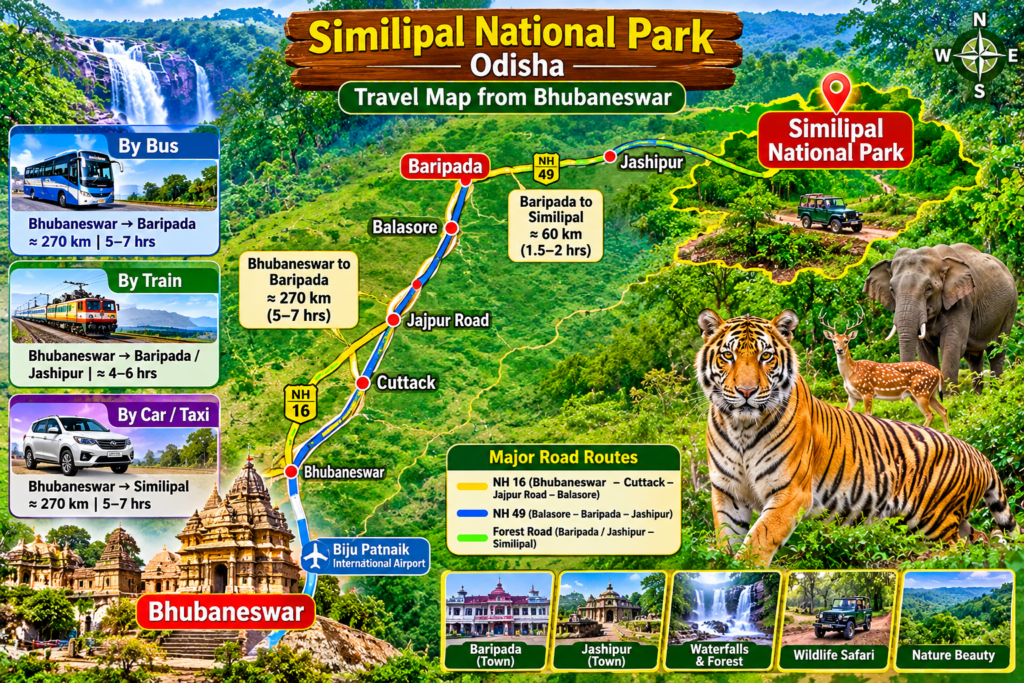
Starting point: Bhubaneswar
- Start from Bhubaneswar city.
- Travel towards Cuttack.
- Continue towards the Jajpur Road and Balasore region, depending on your selected route.
- Reach Baripada if you are using the Pithabata side.
- Continue to the designated Pithabata entry gate after checking your booking.
For the Jashipur-side approach:
- Start from Bhubaneswar.
- Travel towards northern Odisha.
- Continue towards Jashipur.
- Reach the Kalikaprasad entry gate as per your confirmed permit.
Important road travel advice:
- Check the latest road conditions before starting.
- Avoid reaching the gate after its entry window.
- Keep fuel, food and drinking water ready before entering remote areas.
- Do not depend on mobile network availability inside the reserve.
- Follow the exact route permitted by the forest department.
- Do not drive into restricted forest roads without permission.
For accurate turn-by-turn directions, use Google Maps or another reliable navigation service on the day of travel.
Official visitor map: https://www.similipal.org/maps/visitor-map.html
14. Can Children Visit Similipal National Park?
Yes. Families can plan a visit with children, subject to the applicable forest department entry rules and booking conditions.
A forest visit can be a valuable learning experience for children. They can understand wildlife, forests, biodiversity, waterfalls and the importance of nature conservation.
Guidelines for families with children
- Check the minimum age rules and ticket conditions before booking.
- Keep children seated safely inside the permitted vehicle.
- Never allow children to walk away from the group.
- Do not allow children to put their hands outside the vehicle.
- Carry drinking water and suitable snacks where permitted.
- Carry any necessary personal medicines.
- Use comfortable clothing and footwear.
- Protect children from mosquitoes and insects.
- Follow the nature guide’s instructions.
- Do not allow children to shout, throw objects or disturb animals.
Parents and guardians are responsible for supervising children throughout the visit.
15. Are International Tourists Allowed in Similipal?
International visitors can plan a visit to Similipal, subject to the applicable entry permit, identity verification and forest department rules.
The official booking process includes a nationality field, which allows visitor nationality to be recorded.
International visitors should:
- Carry a valid passport.
- Carry a valid Indian visa or other applicable travel authorisation, where required.
- Provide accurate nationality and identity details during booking.
- Carry the same identity document used for the booking.
- Confirm whether any additional document or verification is required.
- Follow the instructions of forest officials and registered nature guides.
- Respect local communities and cultural practices.
- Follow all wildlife photography and drone restrictions.
International visitors should contact the official Similipal tourism helpdesk before travelling if they have questions about documentation or booking.
Do not assume that a foreign passport alone replaces the required forest entry permit.
16. Important Safety Rules Inside Similipal National Park
Similipal is a protected forest and wildlife habitat. Visitors must behave responsibly and follow all instructions.
Wildlife safety
- Never get out of your vehicle unless an authorised official permits it.
- Do not approach elephants, tigers or other wild animals.
- Never feed animals.
- Do not try to attract wildlife for photographs.
- Do not shout or play loud music.
- Never throw stones or objects at animals.
- Maintain a safe distance from wildlife.
Forest safety
- Follow the registered nature guide and forest staff.
- Do not enter restricted areas.
- Do not wander away from the permitted route.
- Avoid stopping at unauthorised places.
- Follow all vehicle and speed restrictions.
- Leave the forest within the permitted exit time.
Environmental safety
- Do not litter.
- Avoid single-use plastic.
- Do not damage plants or trees.
- Do not collect flowers, leaves, stones or forest materials.
- Do not light fires or campfires.
- Do not smoke or consume alcohol inside restricted forest areas.
Photography and electronic devices
- Keep cameras and mobile phones ready without disturbing wildlife.
- Do not use flash if it may disturb animals.
- Do not use drones unless you have specific written permission.
- Follow photography restrictions given by forest officials.
The forest is home to wild animals. A safe visit means respecting their natural space.
17. Famous Places and Attractions in Similipal
Barehipani Waterfall
Barehipani is one of the most famous waterfalls in Similipal. Surrounded by green forest and hills, it is a major attraction for nature lovers and photographers.
Joranda Waterfall
Joranda is another beautiful waterfall in the reserve. Its natural setting makes it a popular stop for visitors following authorised tourism routes.
Chahala
Chahala is known for its forest landscape, grassland and wildlife viewing opportunities. Visitors may learn about the animals that use the natural salt-lick areas.
Sitakund Waterfall
Sitakund is another natural attraction associated with the Similipal landscape. Check accessibility and current visitor permission before planning a visit.
Nature Camps
Similipal has eco-tourism nature camps in selected locations. These provide opportunities for visitors to stay close to nature, subject to availability and advance booking.
18. What Should You Carry for a Similipal Trip?
Before leaving for Similipal, prepare the following:
- Valid identity proof
- Confirmed entry permit
- Vehicle documents, if travelling in your own vehicle
- Driving licence
- Drinking water
- Comfortable clothes
- Walking shoes
- Personal medicines
- Insect repellent
- Hat or cap
- Camera and charged mobile phone
- Power bank
- Small first-aid kit
Pack responsibly and avoid carrying prohibited items into the forest.
19. How Many Days Are Needed to Visit Similipal?
For a basic day visit, you should plan your journey according to the permitted entry and exit schedule.
For visitors who want to explore the forest, waterfalls and approved nature camps, a 2-day or 3-day plan may be more comfortable.
Suggested 1-Day Plan
- Reach the entry gate early.
- Complete the permit verification.
- Explore the authorised visitor route.
- Visit the permitted natural attractions.
- Follow the guide’s instructions.
- Exit before the official closing time.
Suggested 2-Day Plan
Day 1: Travel to Mayurbhanj, complete the permitted forest visit and stay at a pre-booked nature camp or approved accommodation.
Day 2: Explore the attractions permitted by your booking and return after following the official exit instructions.
Your actual route and activities depend on your entry gate, permit, accommodation booking and forest conditions.
20. Important Tips for First-Time Visitors
- Plan your journey before booking.
- Check the latest tourist season announcement.
- Select the correct entry gate.
- Book your entry permit in advance.
- Confirm the latest entry and exit timings.
- Check the current ticket price.
- Carry all required identity and vehicle documents.
- Start your road journey early.
- Avoid unnecessary stops before reaching the gate.
- Follow the nature guide.
- Keep the forest clean.
- Do not expect guaranteed tiger sightings.
- Check the weather before travelling.
Frequently Asked Questions About Similipal National Park, Odisha
Where is Similipal National Park located?
Why is Similipal famous?
What is the best time to visit Similipal?
What are the entry timings?
What is the distance from Bhubaneswar to Similipal?
Can children visit Similipal?
Are international tourists allowed?
Can visitors see black tigers?
Can visitors stay inside Similipal?
Is online booking required?
Can visitors travel inside the forest in their own vehicles?
What should visitors avoid inside Similipal?
Conclusion: Explore the Natural Beauty of Similipal with Myodishajourney
Similipal is one of Odisha’s most beautiful natural destinations. Its dense forests, unique black-striped tigers, elephants, waterfalls, rivers and mountain landscapes make it a special place for wildlife lovers, families and nature travellers.
A visit to Similipal is also an opportunity to understand why protecting forests and wildlife is important for future generations.
Before starting your journey, check the latest entry permits, ticket charges, gate timings, road conditions and visitor guidelines on the official government websites.
At Myodishajourney, our aim is to help people discover Odisha through useful travel guides, destination information, local culture, wildlife and natural beauty.
Myodishajourney – Explore Odisha. Feel Odisha.
Plan responsibly, respect nature and enjoy your journey through the beautiful forests of Odisha.